

Robocalls, unwanted texts, and junk faxes
Alaska TCPA Lawyers
The Telephone Consumer Protection Act lets people sue over illegal robocalls, unwanted texts, and repeated sales calls to numbers on the Do Not Call Registry. Statutory damages are $500 for each violation and up to $1,500 if the violation was willful or knowing. Sandberg Pace & Glazier handles individual TCPA claims and class actions for Alaskans.
What the TCPA covers
Congress passed the TCPA in 1991 to protect people from intrusive calls and faxes. The FCC writes the rules that carry it out. These are the most common violations we see.
Prerecorded and AI-voice calls
Calls that play a recorded message or an artificial voice to your cell phone need your prior express consent. Marketing calls of this kind need your written consent.
47 U.S.C. § 227(b)(1)(A)(iii) and (B)
Robocalls to a home landline
Prerecorded telemarketing calls to a residential line need prior express written consent. Other prerecorded calls to a home line are limited in number and must offer a way to opt out.
47 C.F.R. § 64.1200(a)(3)
Autodialed calls and texts
Calls and texts sent with an automatic telephone dialing system need consent. Since 2021, that term covers only equipment that uses a random or sequential number generator.
47 U.S.C. § 227(a)(1), (b)(1)(A)
Do Not Call Registry violations
Telemarketers may not make sales calls to a residential number on the National Do Not Call Registry. Two or more such calls from the same company in 12 months can support a claim.
47 U.S.C. § 227(c)(5); 47 C.F.R. § 64.1200(c)(2)
Calls after you said stop
A company that telemarkets must keep its own do-not-call list. It must honor your request within ten business days. Consent to robocalls and robotexts can also be revoked.
47 C.F.R. § 64.1200(a)(10), (d)
Late-night or early sales calls
Telephone solicitations to a residential subscriber before 8 a.m. or after 9 p.m., your local time, violate FCC rules.
47 C.F.R. § 64.1200(c)(1)
Calls meant for someone else
Wrong-number robocalls are a frequent source of claims. Consent from the person the caller meant to reach does not cover calls to you.
47 U.S.C. § 227(b)(1)(A)
Junk faxes
Unsolicited fax advertisements are prohibited unless an exception applies, and every permitted fax ad must include an opt-out notice.
47 U.S.C. § 227(b)(1)(C)
The rules above are summaries. Each has exceptions, including emergency calls and calls made with consent.
What you can recover
Section 227(b)(3) of the TCPA covers robocalls, autodialed calls and texts, and junk faxes. Section 227(c)(5) covers Do Not Call violations. For those claims you must have received more than one call from the same company in 12 months. The caller can defend a Do Not Call claim by proving it had reasonable procedures in place to prevent the calls.
You can also ask the court to order the calls to stop. You do not need to prove you lost money to recover statutory damages under the TCPA.
Individual claims and class actions
When a company sends the same calls or texts to thousands of people, the claims are often brought as a class action. The Supreme Court has held that, in federal court, a company cannot end a class case by offering the named plaintiff a settlement the plaintiff does not accept. Other cases are best brought as individual claims. We handle both.
Alaska law adds its own protections
The TCPA does not preempt state laws that are stricter on autodialers, prerecorded messages, or telephone solicitations (47 U.S.C. § 227(f)(1)). Alaska has several.
- Do Not Call and recorded sales messages. AS 45.50.475 bars telephone solicitation of a number on the national registry. It bars solicitation of a customer who asked not to be called. It also bars sales calls that use an automated or recorded message.
- Telephone sellers. Under AS 45.63.045, a telephone seller must give its name, phone number, whom it represents, and that the call is a sales call within the first 15 seconds. It must end the call when you object.
- Remedies. Violations of these laws are unfair trade practices (AS 45.50.471(b)(35), (41)). A person who loses money or property can recover three times actual damages or $500, whichever is greater (AS 45.50.531(a)). A prevailing plaintiff recovers full reasonable attorney fees (AS 45.50.537(a)).
- Deadline. Alaska consumer protection claims must be filed within two years after you discover or should have discovered the loss (AS 45.50.531(f)).
Alaska’s law also has risks. A losing plaintiff may be ordered to pay part of the other side’s fees (AS 45.50.537(b)). We review whether an Alaska claim helps your case before we file it.
Defenses callers raise, and how courts in the Ninth Circuit treat them
- “You consented.” Consent is limited to the context in which you gave your number. You can revoke it by clearly saying you want the calls or texts to stop. Under current FCC rules, replying “stop,” “quit,” “end,” “revoke,” “opt out,” “cancel,” or “unsubscribe” to a text is a reasonable way to revoke. The caller must honor the request within ten business days.
- “We meant to call someone else.” Consent from the intended recipient does not cover calls to the person actually reached.
- “We did not use an autodialer.” Under current law, this defense often defeats claims based on texts and live-dialed calls. It does not apply to prerecorded or artificial-voice calls, which need consent however they were dialed.
- “That is a business line.” A registered cell phone used for both personal and business calls is presumed residential. The caller must prove otherwise.
- “A vendor made the calls.” A company can be liable for a telemarketer acting on its behalf under agency law.
- “The damages are too large.” In class cases, a court may reduce a total award that is so large it violates due process.
What to save if you are getting unwanted calls or texts
- Do not delete anythingKeep texts, voicemails, and your call history. Screenshots that show the date, time, and number are useful.
- Write down what you hearNote the company name, any recorded voice, the time of day, and what was offered.
- Check the Do Not Call RegistryConfirm your registration date at donotcall.gov. Telemarketers have up to 31 days to update their lists after you register, so the date matters.
- Ask them to stop, and keep proofReply “STOP” to texts or use the opt-out the message offers. Save the reply and anything you receive after it.
- Get your phone recordsYour carrier’s bill or online account shows calls and texts by date, even after you delete them from the phone.
- Call a lawyer earlyDeadlines apply. Phone records and company data are easier to get before they are deleted.
Questions about TCPA claims
How much is a TCPA claim worth?
The TCPA sets damages at your actual loss or $500 for each violation, whichever is greater. A court may increase the award up to $1,500 per violation if the violation was willful or knowing. Each call or text can be a separate violation.
Do text messages count under the TCPA?
In the Ninth Circuit, which includes Alaska, a text message is a “call” under the TCPA. One federal appeals court outside Alaska has held that texts do not count for Do Not Call Registry claims. The Ninth Circuit has not decided that narrower question.
I gave the company my number once. Can it call me forever?
No. Consent covers the purpose for which you gave your number. You can also revoke consent. Under current FCC rules, replying “stop” to a text is a reasonable way to revoke. The caller must honor the request within ten business days. Starting November 25, 2026, a caller may require a specific opt-out method if it discloses that method clearly.
Is there a deadline to file a TCPA claim?
Federal TCPA claims are generally subject to the four-year federal catch-all limitations period in 28 U.S.C. § 1658(a). Claims under Alaska's consumer protection law must be filed within two years after you discover or should have discovered the loss (AS 45.50.531(f)). Save your records and call early.
Can I sue over calls from a debt collector, a political campaign, or a charity?
Often, yes, if the call used a prerecorded or artificial voice to your cell phone without your consent. That rule applies to any call, whatever its purpose. The Do Not Call rules apply only to sales calls.
Do I need to have lost money?
No. The federal TCPA allows statutory damages without proof of financial loss. Alaska's consumer protection act is different. It requires a loss of money or property to recover damages.
Will my case be a class action?
It depends on the facts. Many TCPA cases involve the same calls or texts sent to thousands of people, and those cases are often brought as class actions. Other cases are best brought as individual claims. We handle both.
Sources: 47 U.S.C. § 227; 47 C.F.R. § 64.1200 (eCFR, current as of Nov. 10, 2026); FCC Report and Order 26-67 (adopted Sept. 30, 2026); 28 U.S.C. § 1658(a); AS 45.50.471, 45.50.475, 45.50.531, 45.50.537; AS 45.63.045. This page is general information, not legal advice. Reading it or using the case check below does not create an attorney-client relationship.
Do you have a TCPA case?
Answer ten short questions to see which TCPA and Alaska rules may apply to your calls, texts, or faxes. It takes about two minutes.
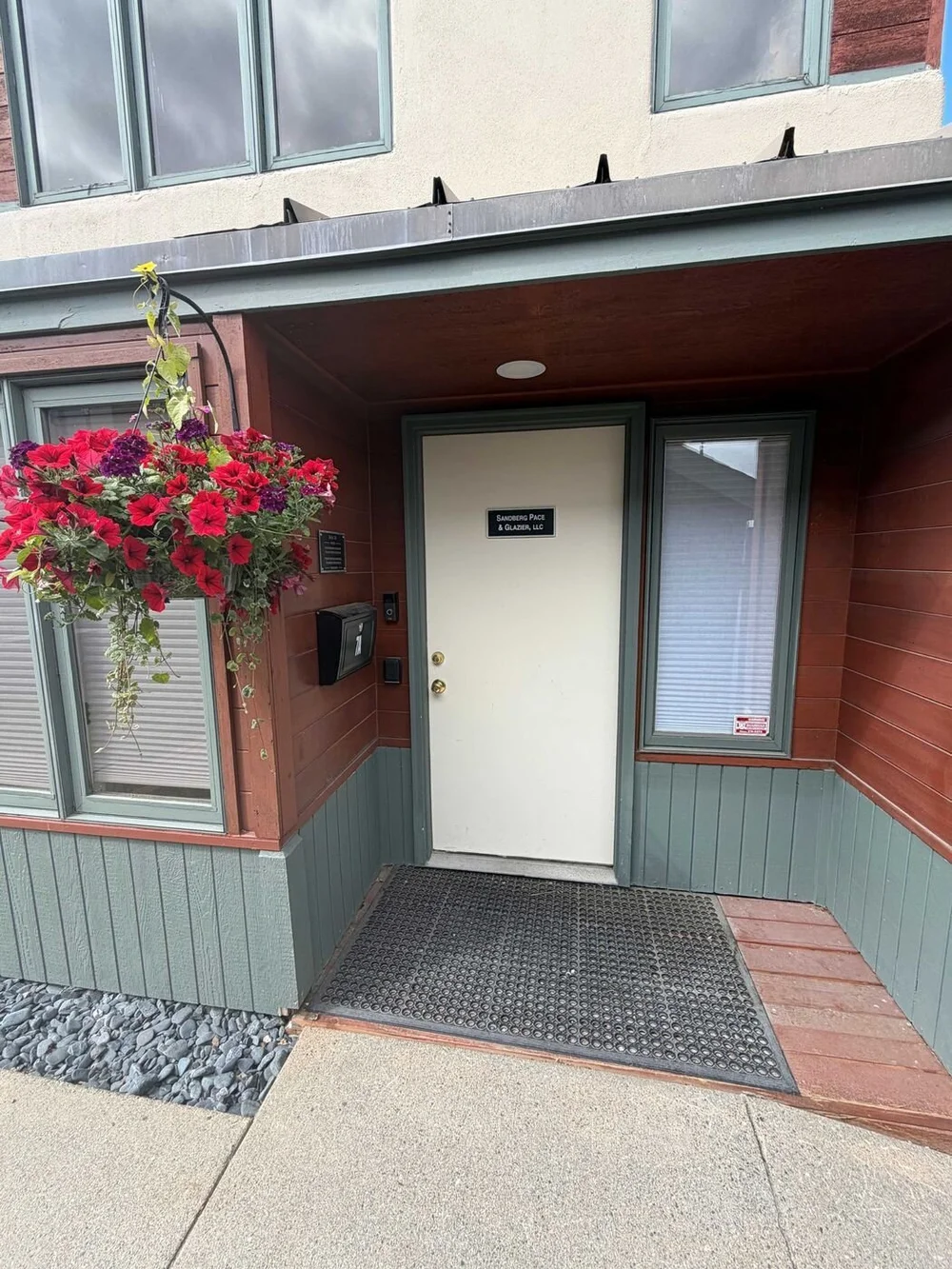
Sandberg Pace & Glazier LLC · 101 East 9th Avenue, Suite 7A, Anchorage, Alaska 99501 · (907) 222-4003